














Choosing a Dishwasher Worth Installing
If you haven't picked the new unit yet, a few things are worth knowing before you buy. The dishwasher market has changed a lot in the last five years, and what was a premium feature in 2018 is now standard on most mid-range models.
Noise Level Matters More Than People Think
Decibel rating is the spec to pay attention to, especially if your kitchen opens onto a living area. Anything under 44 dB is genuinely quiet, conversation-level. 44 to 49 dB is fine for most kitchens. Above 50 dB and you'll hear it across the room. Bosch and Miele lead the market on quiet operation, with several models in the 38 to 42 dB range. If you've been living with an older mid-range unit at 55 dB, the difference is striking.
Third Rack vs Two-Rack Configurations
The third rack at the top of the unit is now standard on most premium models. It's worth having. Cutlery and small utensils sit flat and clean better than they do in the basket of a two-rack unit, and the bottom rack frees up for taller items. Some manufacturers do third racks better than others. KitchenAid and Bosch are particularly well-designed, with adjustable tines and dedicated wine glass holders.
Stainless Tub vs Plastic Tub
Stainless steel interior tubs hold heat better, dry dishes more effectively, and last longer than plastic tubs. Almost all premium and mid-range dishwashers use stainless now, but budget units occasionally still ship with plastic. If you're choosing between two units in the same price range, the one with the stainless tub is usually the better long-term value.
Energy and Water Ratings
Modern dishwashers actually use less water than handwashing the same load, which surprises people. Energy Star certified models are the baseline to look for, and most major brands meet it. The bigger differentiator at this point is wash time, more efficient units run longer cycles at lower water use rather than shorter cycles at higher use. If you're someone who wants a wash done in 60 minutes, look for an "express" or "1-hour" cycle option.
Switching Brands When You Replace
Aurora homeowners often switch dishwasher brands when replacing. A move from a 12-year-old Maytag to a new Bosch, or from a Whirlpool to a Miele, isn't unusual. Cross-brand swaps mostly go smoothly, but a few details are worth knowing in advance.
Connection Points Vary
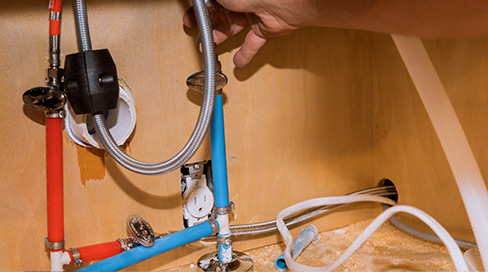
The water inlet, drain hose connection, and electrical entry point aren't in identical locations across brands. Most installs absorb the difference fine, but occasionally the supply line or drain hose needs to be rerouted to reach the new connection points. We figure that out during the install rather than running into it as a surprise.
Front Panel Heights and Toe Kicks
Different brands have slightly different unit heights and toe kick depths. If your kitchen has a continuous toe kick or a fitted panel below the dishwasher, you may need to adjust the height of the new unit's feet to align with adjacent cabinetry. A few millimetres can be the difference between flush and visibly off.
Panel Sizing on Panel-Ready Units
If you're going from a standard front-control dishwasher to a panel-ready model and want it to integrate visually with your cabinetry, you'll need a custom panel built by your kitchen cabinet maker. The panel needs to match the manufacturer's exact dimensions and weight specifications. We can walk you through what to share with the cabinet maker.
Working With Designers, Cabinet Makers, and Trades
For full kitchen renovations or custom builds, the dishwasher install is one piece of a larger project. Coordination with the other trades makes the difference between a smooth final week and a chaotic one.
Custom Kitchen Renovations
Kitchen designers and cabinet makers handle the layout decisions, including where the dishwasher goes and how big the cabinet opening should be. We confirm the rough-in plumbing and electrical match the chosen dishwasher's specs before the cabinets are built. Catching a discrepancy at the rough-in stage is much cheaper than catching it on installation day.
Panel-Ready Coordination
Panel-ready dishwashers need their custom front panels ready when we install. The cabinet maker builds the panel using the manufacturer's exact specs. We coordinate timing with the cabinet maker so the panel is finished and on-site when our installer arrives, not still in the cabinet shop.
Plumbers and Electricians for First-Time Installs
If your kitchen has never had a dishwasher, you'll need a plumber to run the water supply and drain and an electrician to add a dedicated circuit. We handle the dishwasher fitting and final hookup once the rough-in is in place. If you don't have trades you already work with, we can recommend reliable plumbers and electricians in the Aurora area.
Why a Professional Install Is Worth It
You'll see installation offered as a low-cost add-on with the dishwasher purchase at most retailers. The work isn't impossible to handle yourself, either. Here's what you actually get when you book a professional install through a dedicated appliance specialist.
Insurance and Damage Coverage
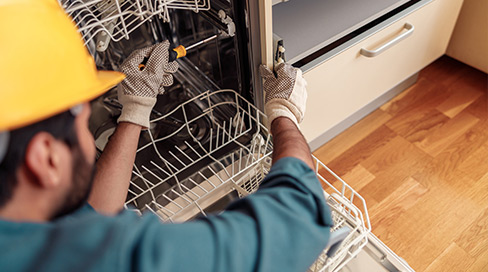
A dishwasher install means working with plumbing under the sink, electrical wiring, and moving a heavy appliance through a finished kitchen. Mistakes can damage cabinets, flooring, or plumbing. Our installers are insured, so any incidental damage during the install is covered. That's often not the case with low-cost retail-bundled installs or DIY attempts.
Manufacturer Warranty Stays Intact
A lot of dishwasher manufacturers require professional installation as a condition of the warranty. Improper installation, like missing the high loop on the drain or not securing mounting brackets correctly, can void coverage on parts and labour. We follow each brand's spec so the warranty stays in force, which matters most on premium units where coverage is a real part of the appliance's value.
Long-Term Performance
The most common dishwasher service calls we get are caused by installation issues that didn't show up immediately. A slow drip from a poorly torqued supply line that warps the cabinet floor over six months. A drain hose without a high loop that lets sink waste back-flow into the dishwasher. An unlevelled unit that vibrates loudly during every wash. Professional installation gets these details right the first time, and the unit performs better and lasts longer because of it.